



Northeast India: The Unexplored Paradise
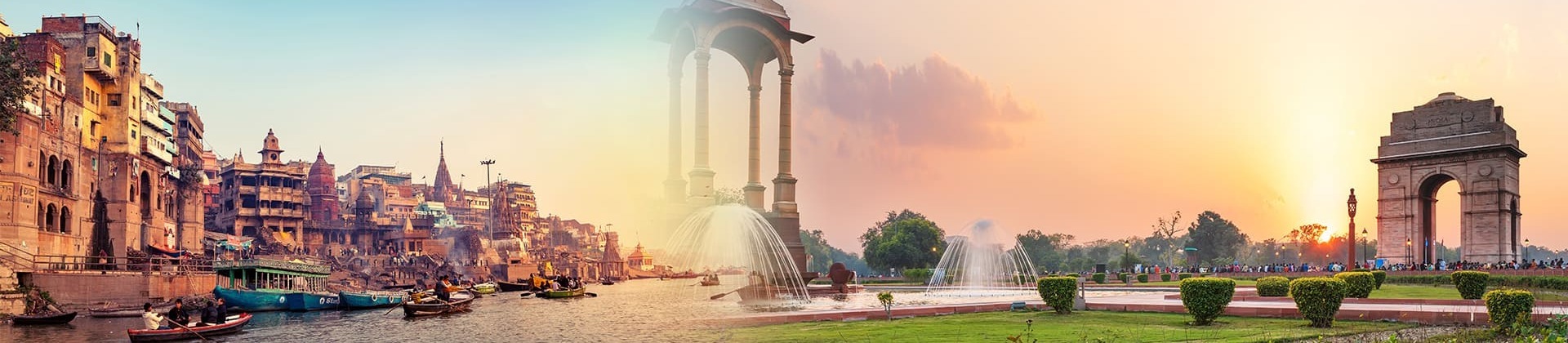
India's traditional tourist attractions, have traditionally comprised the famous Golden Triangle, the historic palaces of Rajasthan, and the tranquil backwaters of Kerala. Yet in a corner of the geographical map of the country lies an area of unparalleled ecological and cultural significance, which hardly makes an appearance on the itinerary of mass tourism. Northeast India Tourism stands out as one of the most exciting frontiers of the international travel and hospitality industry, offering plenty of untouched locales just waiting to be explored.
With enormous potential yet long overlooked by the economic and tourism map of India, this area is poised for a change. With massive investments being made in developing tourism infrastructure in the region and the rising consumer interest in experiential tourism, this far-flung area of the sub-continent is slowly transforming into an outstanding eco-tourism destination.
The Core Paradox: Abundant Assets vs. Marginal Footfalls
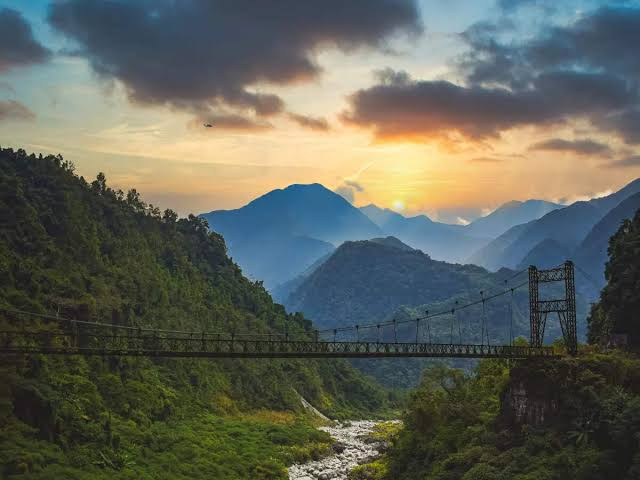
The basic story about this industry revolves around the stark contrast that exists between the natural resources of this geographic area and the history of the market share of this sector. The Northeast Indian states occupy about 8% of the total land area in India and possess a huge collection of micro-climate zones, wildlife sanctuaries, and indigenous culture, which make this place an ideal destination for the nature lovers.
But when we consider the historical data regarding the trend, the number of tourist visits to this place was quite minimal compared to other regions in India. Over the years, less than 0.5% of the domestic tourists and 1% of the foreign tourists used to visit this beautiful place.
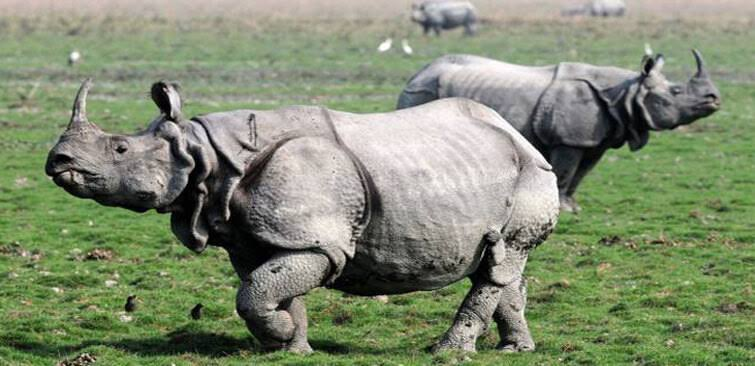
This region is full of wonders of nature, where it has the largest population of one of the greatest Indian one-horned rhinos in Kaziranga, the amazing high altitude lands of Sikkim, the unique and only floating National Park in the world known as Loktak Lake in Manipur and Asia's cleanest and eco-friendly destination known as Mawlynnong Village in Meghalaya.
When it comes to culture, it is the perfect blend of more than 200 unique ethnic tribes, with their unique language, attires, festivals, and cuisines. However, even after having such amazing features, the historical footsteps of people visiting India tell an entirely different story.
Decoding the Historical Bottlenecks
In order to know the history of the Northeastern region of India and the factors behind the lack of tourism development in this Paradise region, it is important to have an understanding of how geography and policies affect each other in the following ways:
Geographic Isolation: Geographically isolated from other parts of India through the Siliguri Corridor, the Northeast remained in isolation for many years. Just getting to the elevated destinations in Sikkim was troublesome, hence making the tourists prefer more centrally located places.
Infrastructural Deficiency: From the past, the region lacked infrastructure to support mass tourism. The roads used were susceptible to landslides during monsoons; rail networks were poorly developed; and there were no regular commercial airlines in the region. Lack of branded hotels made it difficult for luxury tourists.
Psychological and Administrative Issues: The irrational fears about the instability and insecurity of the region were major hindrances for the tourists. Apart from that, administrative hassles such as obtaining inner-line permits were other challenges for the tourists.
10 Essential Things to Do in Northeast India
In order to fully enjoy the following tourism sites in Northeast India, there needs to be an itinerary that highlights the cultural and geographical tours of the area. The best things to do here include:
1.Living Root Bridges Trek: The hike across the valleys of Cherrapunji where one gets the chance to view the living root bridges that have been skillfully crafted by training the roots of the Ficus elastica trees by the native Khasi people.
2.River Safari: Safari tours on the Brahmaputra River where one gets to view the Great Indian One-Horned Rhinoceros and the river dolphins.
3.Hornbill Festival: A festival that celebrates the cultural traditions of the 17 distinctively indigenous Naga tribes where one gets to see their unique forms of music and dancing and handloom fabrics.
4.High-Altitude Monasteries: Visiting the gold-roofed and historic Tawang Monastery in Arunachal Pradesh which is located at an altitude of over 10,000 ft.
5.Loktak Lake Tour: A tour around the phumdis (rafts of floating vegetation and soil) in the world’s only floating wildlife sanctuary in Manipur.
6.Colonial Tea Trails Hike: Discover your roots through tea plucking history and stay at the renovated bungalows of colonial plantations in Dibrugarh.
7.Exploring Ancient Caves: Traverse through the narrow tunnels of the natural cave system known as Krem Liat Prah Caves situated in Meghalaya and considered one of the largest cave systems in South Asia.
8. Rural Homestays: Meet the rural communities who practice agriculture in agricultural processing centers and learn about local cooking, weaving, and foraging.
9.Red Panda Tracking: Go on an expedition into the rhododendron forest of the Barsey Rhododendron Sanctuary, home to the rare sub-alpine species.
10.Stargazing Camp: Witness the magical night skies during the Ziro Music Festival, which takes place within the valley created by the Apatani Tribe.
Iconic Highlights of the Northeast Circuit
When building a comprehensive north east tour & travels blueprint, a handful of specific locations stand out globally as foundational highlights of the itinerary.
Yumthang Valley: Popularly known as the Valley of Flowers of the East, the Yumthang Valley is actually a perfect sub-alpine area, located at an elevation of 12,000 feet from the sea level in North Sikkim. Encircled by the snow covered Himalayan Mountains, the Yumthang Valley is cut through by the river of Lachung. Once the ice melts in the spring season, the entire environment becomes vibrant with the bloom of different species of rhododendrons. The Yumthang Valley is an essential stopover for anyone who designs his Sikkim tour itinerary meticulously.
Mawlynnong Village: Set amidst the hills of East Khasi Hills in Meghalaya, the Mawlynnong Village has earned worldwide fame due to immaculate cleanliness that it enjoys, and has been designated as Asia's Cleanest Village. It is because all the inhabitants of the village put efforts into making the village clean. Bamboo waste bins are used to prepare organic compost, and plastics have been banned here.
Conclusion
The area is rapidly turning into what it should have always been all along – a sustainable and world-class tourist destination. The potent combination of development of tourism infrastructure, government policies, and consumer behavior changes towards sustainable tourism creates a perfect environment for sustainability. The hidden gem is no more a well-guarded secret but an open paradise waiting to be discovered.

Comments
No comments yet. Be the first to share your thoughts!